

AIoT Intelligent Connectivity
Overview
The AIoT platform is the “nerve center” of NiceInnov’s smart hardware ecosystem.It goes beyond the limitations of traditional IoT platforms that mainly focus on “device access and data collection.” Its core mission is to enable all smart hardware within the same space, such as air purifiers, computers, mobile phones, remote controls, and water dispensers, to perceive one another, communicate with one another, and integrate deeply.More importantly, the built-in AI engine of the platform emphasizes “full automation.” Devices no longer passively wait for user commands; instead, they automatically detect changes, make autonomous judgments, and proactively coordinate based on environmental changes, device status, and user habits, allowing intelligence to happen truly and seamlessly.All of this collaboration runs on NiceOS, which centrally schedules data flows and control flows between devices.
Product Solution Advantages
01
Self-discovery and self-networking of ecosystem products
When a new device enters the room, no manual pairing or QR code scanning is required. The platform automatically identifies and connects it to the network, allowing it to share status data with existing devices and build a real-time dynamic “device graph.”
02
Automated scenario engine for a zero-setup experience
Users do not need to manually create complex rules such as “away mode” or “movie mode.” The platform continuously learns device operation patterns and environmental parameters, then automatically generates optimal linkage logic. For example, when an air purifier detects rising PM2.5 levels, it automatically notifies the fresh air system to start; when a computer enters sleep mode, the lights automatically dim.
03
Multi-protocol compatibility and an open ecosystem
The platform natively supports mainstream communication protocols such as Wi-Fi, Zigbee, Bluetooth, and Thread. Third-party devices can quickly integrate into the ecosystem through standardized interfaces, lowering the entry barrier for partners.
04
Millisecond-level decision-making at the edge
Critical linkage logic is inferred at local edge nodes without round trips to the cloud, ensuring real-time performance and reliability.
Typical Use Cases

Smart home ecosystem coordination
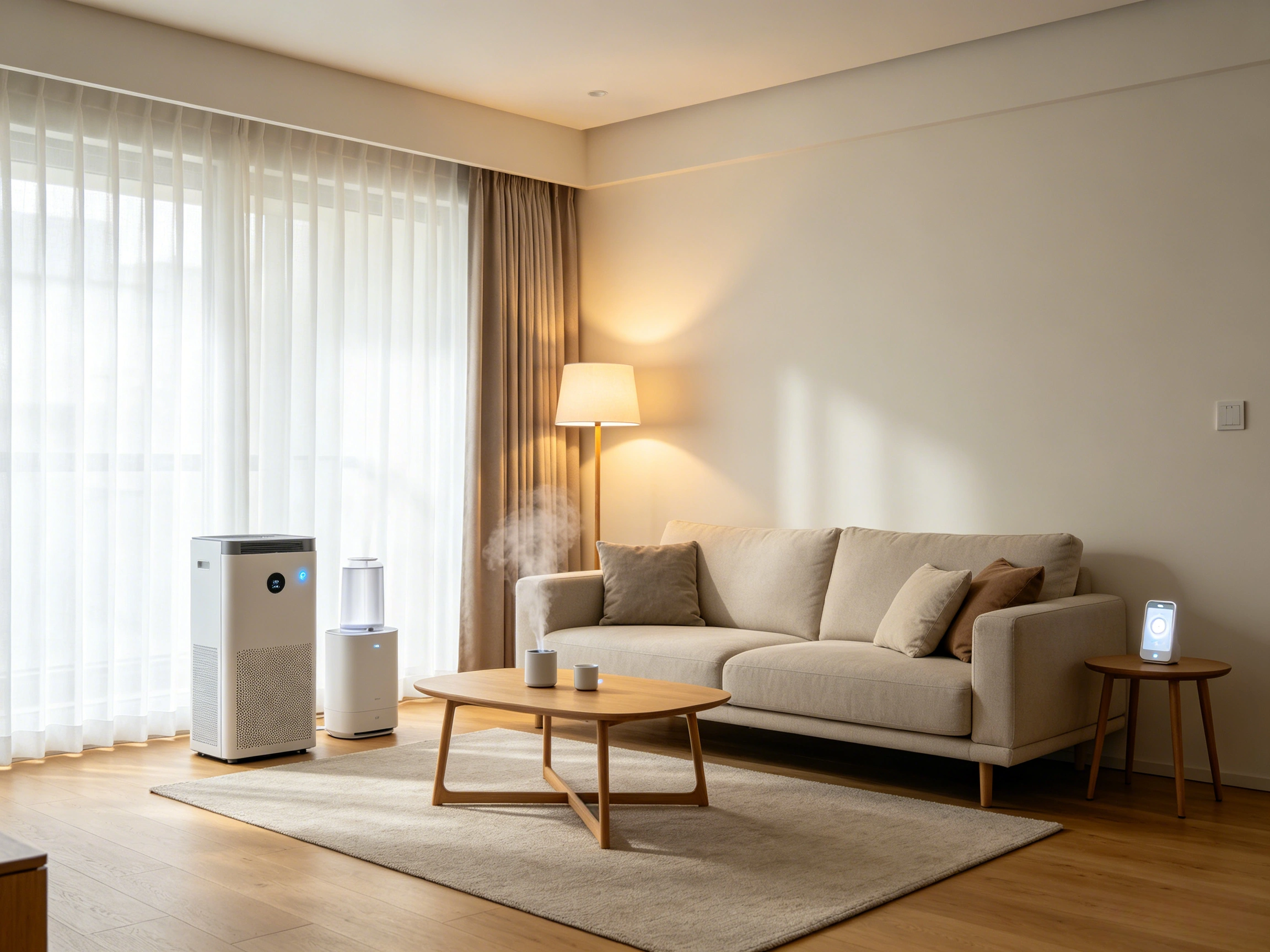
In the living room, air purifiers, humidifiers, lights, and curtains work together. When people leave, devices automatically shut down or enter energy-saving mode. When people return, the devices restart according to personal preferences, with no manual operation required throughout the entire process.
Intelligent coordination in office spaces
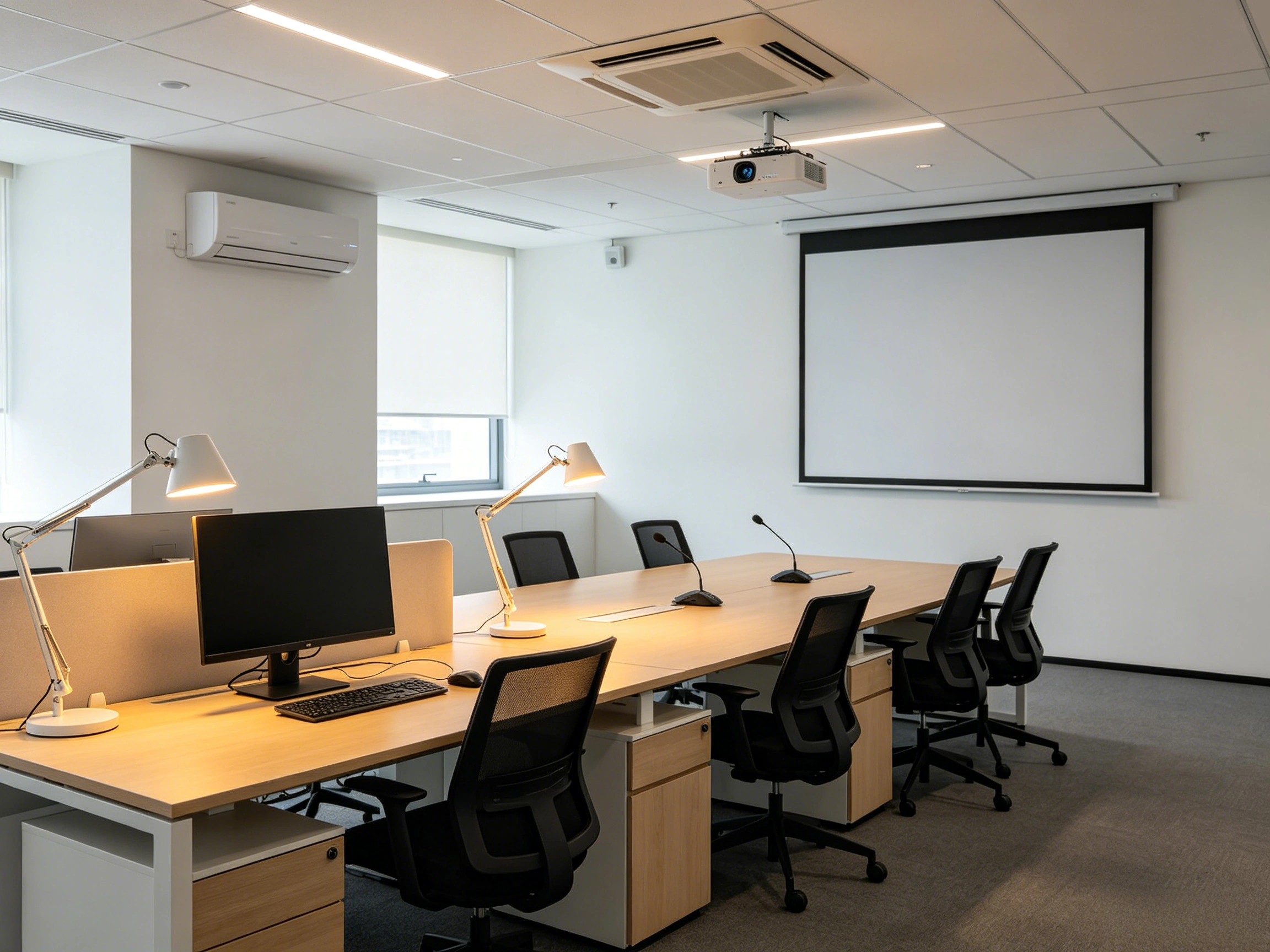
Workstation computers, desk lamps, and air conditioning automatically adjust based on human presence sensing. When a meeting starts, screens, microphones, and projectors prepare automatically; when the meeting ends, they reset automatically.
Data interconnection across the pet care ecosystem
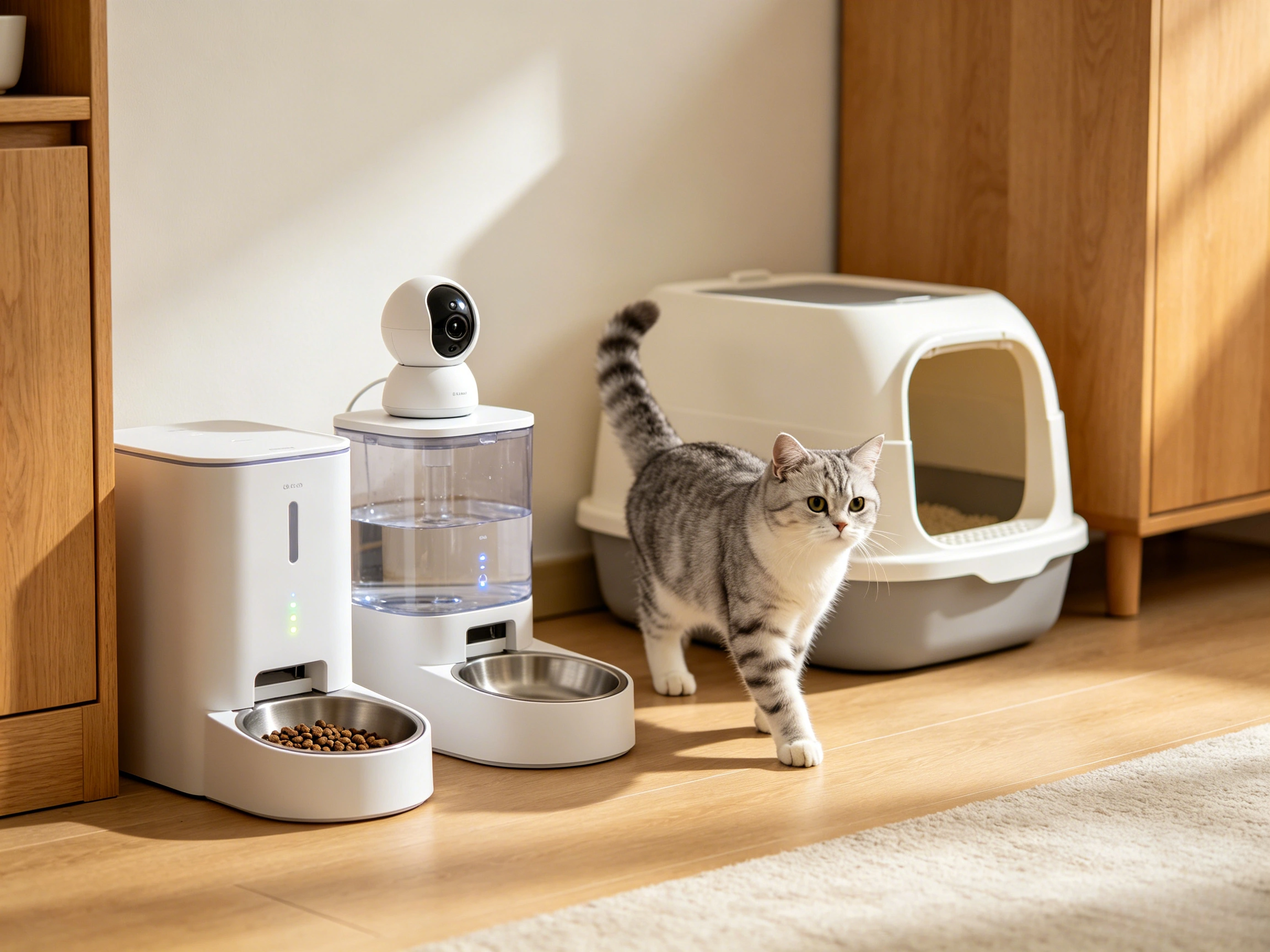
Pet feeders, water dispensers, and litter boxes record pets’ eating, drinking, and toileting data. The platform analyzes the data centrally, automatically alerts the owner when abnormalities are detected, and links with cameras to check the situation on site.
Ecosystem Collaboration Logic
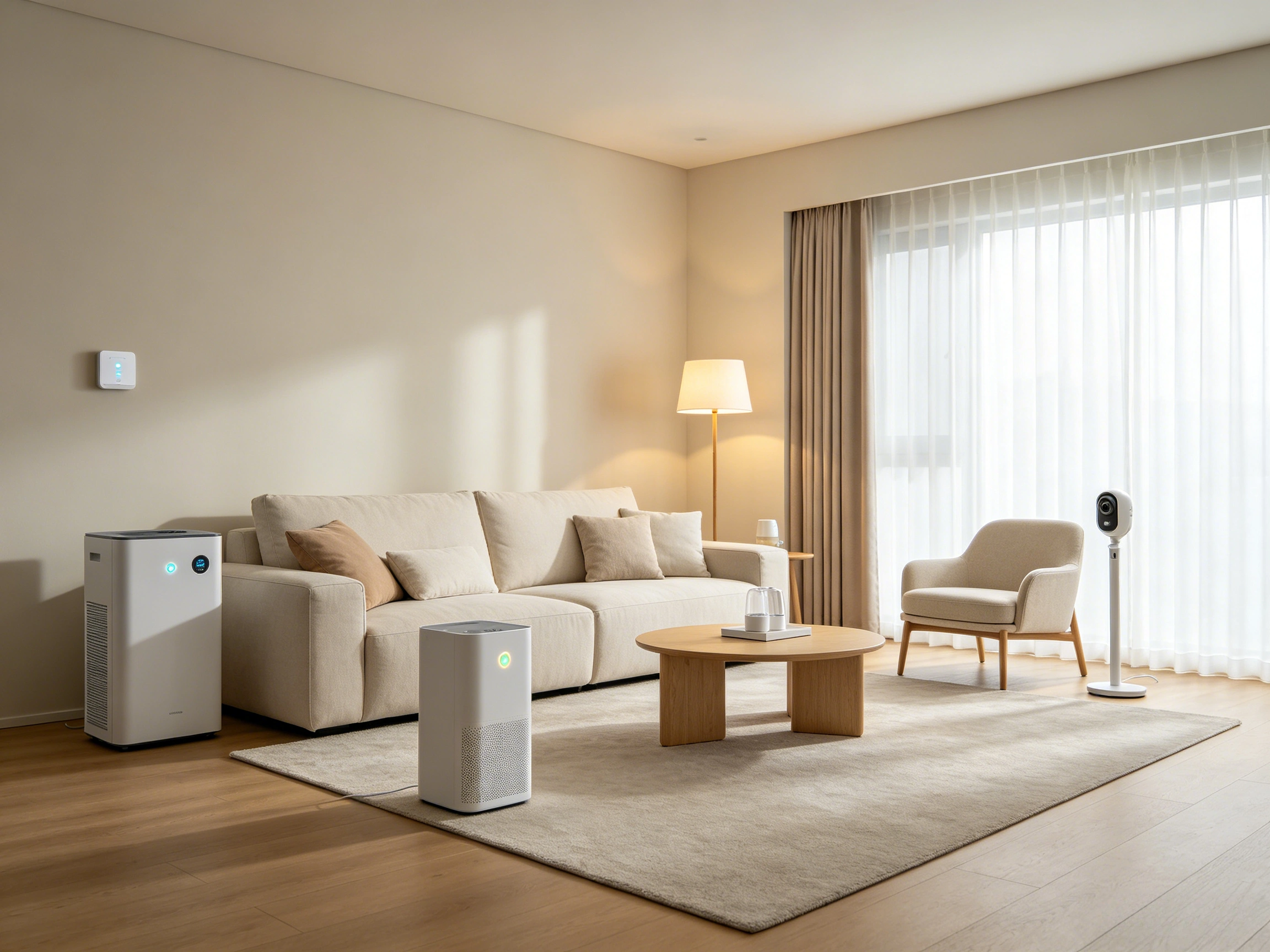
As an ecosystem operating system, NiceOS connects upward with the intelligent strategies of the AIoT platform and shields protocol differences between different hardware devices downward.AI models continuously optimize linkage strategies, while NiceOS centrally schedules edge nodes to execute commands. All status information is synchronized to interaction terminals, forming an intelligent closed loop of “perception—analysis—action—feedback.”
